Online Catering in Malaysia: Marketplace vs Direct Booking
Should you book through a catering marketplace or contact the caterer directly? Compare prices, menus and setup, with examples from GatherPlate, ezCater and FoodLine.
By GatherPlate Team · 13 September 2026 · 7 min read
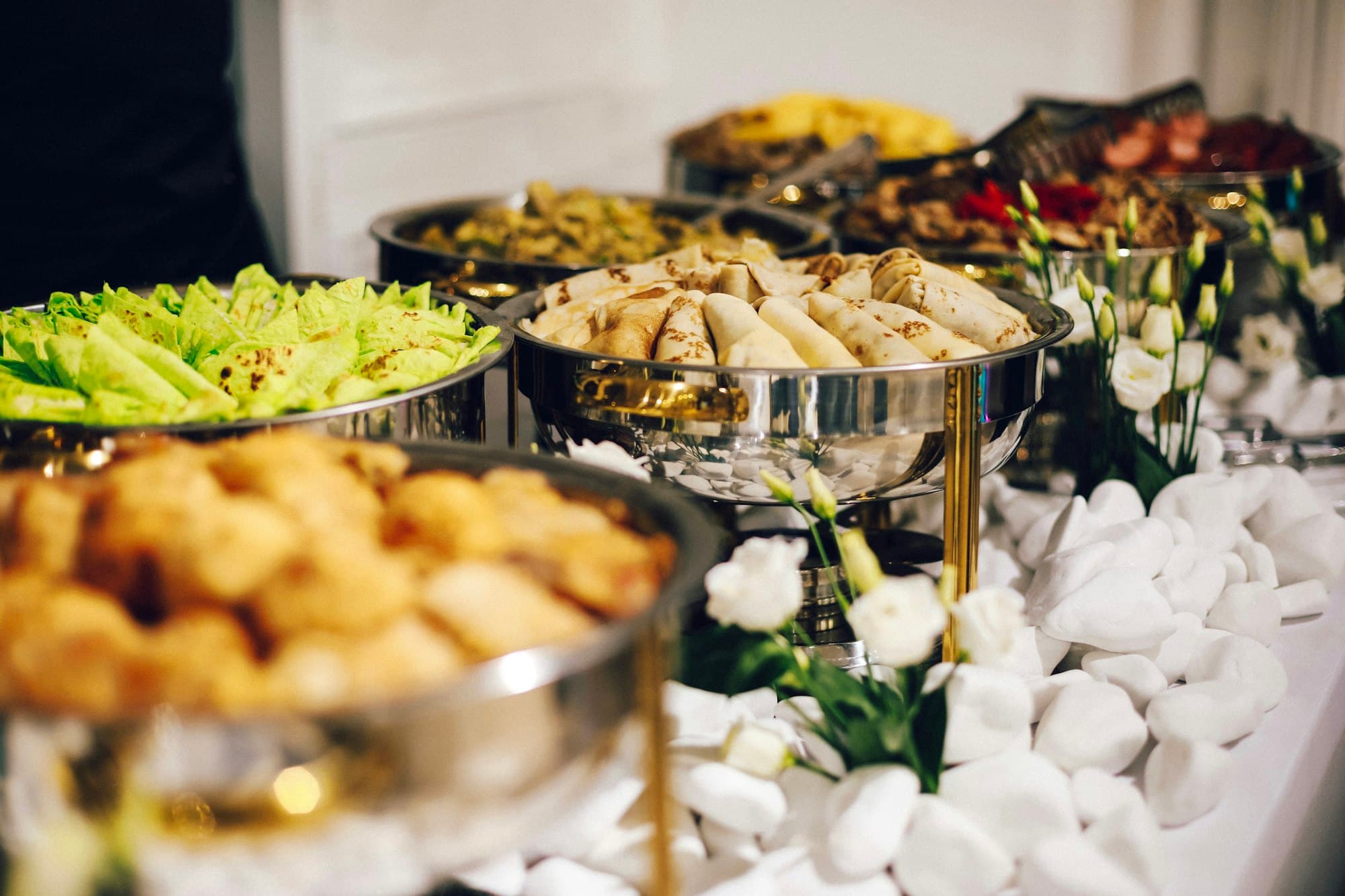
A caterer sends you a PDF. The menu looks good. RM28 a head seems reasonable. Then you notice the small print: delivery quoted separately, setup subject to requirements, minimum order applies. You still cannot tell your manager what lunch will cost.
So you ask. Then you ask the next caterer. By the time the replies come in, you are comparing a buffet with staff, trays dropped at reception and a package that only works if you order for twenty more people.
That is where a catering marketplace can help. It puts menus, prices and booking details from different vendors into one place. For a straightforward event, that can remove much of the work between finding food you like and placing an order.
We build GatherPlate, so this is our view of that change. We have also looked at the published booking processes of ezCater in the United States and FoodLine in Singapore. They serve different markets; the useful comparison is what each lets a customer do before picking up the phone.
What changes when you book through a marketplace?
The caterer still cooks the food. They may also deliver it, set up the buffet or send staff to serve. A marketplace changes how you find them, compare their offer and place the booking.
Some caterers already do this well on their own websites. Others handle enquiries through WhatsApp, email and PDFs. For this comparison, “traditional booking” means that manual enquiry-and-quotation process. It does not mean every independent caterer has an outdated website.
Prices you can compare before starting a conversation
With a manual quote, you send your date, venue and guest count, then wait for a price that fits. That makes sense for a custom event. It is less useful when you only need to know whether a standard lunch package fits the budget.
A marketplace with published package prices gives you an earlier answer. You can rule out an unsuitable minimum order or an expensive menu without asking someone to prepare a quotation. You still need to check the final total: a per-person price is only one part of the bill.
A consistent place to check what is included
A PDF might put the menu on page two, the delivery conditions on page six and the equipment charges in a separate message. None of the information is necessarily wrong. You have to assemble it yourself.
Structured listings give those details a place: menu choices, guest minimums, service options and extras. That makes the comparison easier, although a missing detail still needs a question. “Buffet” alone does not tell you whether someone will stay to serve it.
An order you can refer back to
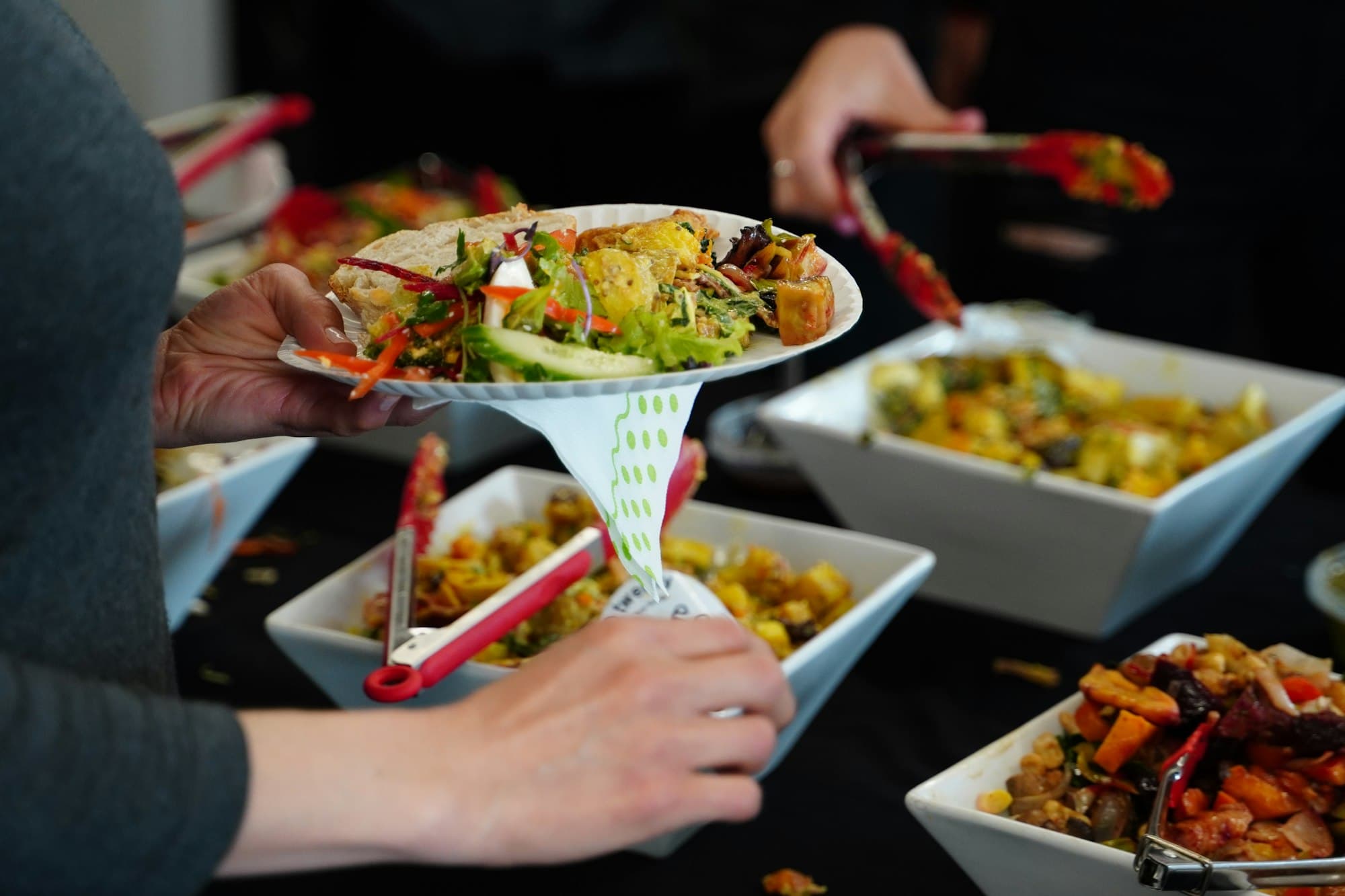
In a chat booking, the final agreement can end up scattered across a quotation, a revised headcount and a payment receipt. A marketplace can collect the selected package, date, address and charges into an order record.
That is useful when a colleague takes over the event. It also makes it easier to check what you actually booked. But submitting an order and receiving the caterer’s confirmation can still be separate steps.
ezCater, GatherPlate and FoodLine: three examples
Start with the location of your event. An office in Boston and a birthday in Petaling Jaya need different suppliers, regardless of how polished the booking website is. These are examples of the marketplace model, rather than interchangeable services.
ezCater: workplace food in the United States
ezCater focuses on food for workplaces in the US. Customers enter a delivery address, date and time, then browse restaurants and caterers, with filters for budget, cuisine and dietary needs. It supports one-off orders and recurring workplace meal programmes.
Its ordering guide describes a checkout with a cost breakdown, followed by order checks and transmission to the caterer. The caterer must accept the order before it is confirmed.
For someone organising food for a US office, that brings searching, ordering and follow-up into one service. It is a useful reference for workplace catering, but it does not provide a local supplier shortlist for a Malaysian event.
GatherPlate: catering packages and event food in Malaysia
GatherPlate lets customers browse Malaysian food vendors and their packages, compare listed prices and inclusions, choose the available booking options and pay online. Check coverage for your venue, particularly when planning outside the Klang Valley.
The difference matters when you need more than food delivered to a door. Depending on the vendor and package, you can choose delivery, pickup or on-site service. A lunch box order, a staffed buffet and a drinks station have different requirements, and the booking should show those differences.
For example, a conference organiser might be comparing meal boxes for lunch and a live station for the afternoon. The questions are different: how many meals are included, how long staff stay, what setup is supplied and whether the vendor serves that venue. Those details belong in the package selection.
You can place an order from the options the vendor offers without first asking them to send a menu. The vendor still needs to confirm it. Unusual requests may also need a conversation; a booking form cannot settle every question about an event.
That is the work we want GatherPlate to take off your hands: collecting the basic information, selecting the service and putting the order together. You can use the conversation with the caterer for the details specific to your event.
FoodLine: catering and meal services in Singapore
FoodLine brings together Singapore catering menus, including buffets, mini buffets, bentos and tingkat meals. Customers can browse prices, menus and reviews before ordering.
According to its booking FAQ, the merchant follows up to confirm an online catering order. FoodLine also offers help with menu questions and custom requirements.
It is a relevant place to compare options for a Singapore event. It also shows why “online catering” can include human follow-up: the website handles the initial comparison and order, while the merchant confirms the details.
Compare the same event, not just the per-pax price
Imagine lunch for 50 guests. These are made-up figures to illustrate the comparison, not quotes from any of the platforms above. Assume there are no other charges in this example.
- Option A: RM28 per guest is RM1,400 for food. Add RM150 for setup and RM100 for delivery. Total: RM1,650.
- Option B: RM31 per guest is RM1,550, including the same setup and delivery. Total: RM1,550.
The lower headline price costs RM100 more once you include the extras. Option B is only the better deal if the food quantities, equipment and service are comparable. A tray delivery and a staffed buffet are different purchases.
Before choosing, get the same answers for every option:
- Food and quantity: the selected dishes, portions and minimum billable guest count.
- Service: delivery, pickup or on-site setup; equipment supplied and staff hours, where relevant.
- Final amount: food, service, delivery and any applicable taxes or other charges.
- Timing and location: the event address, arrival or service start time, and any access requirements.
- Confirmation and changes: when the booking is confirmed and what happens if the guest count or date changes.
You can use that list with a marketplace, a caterer’s website or a WhatsApp quotation. Its value is making sure all the offers cover the job you need done.
When booking directly still makes sense
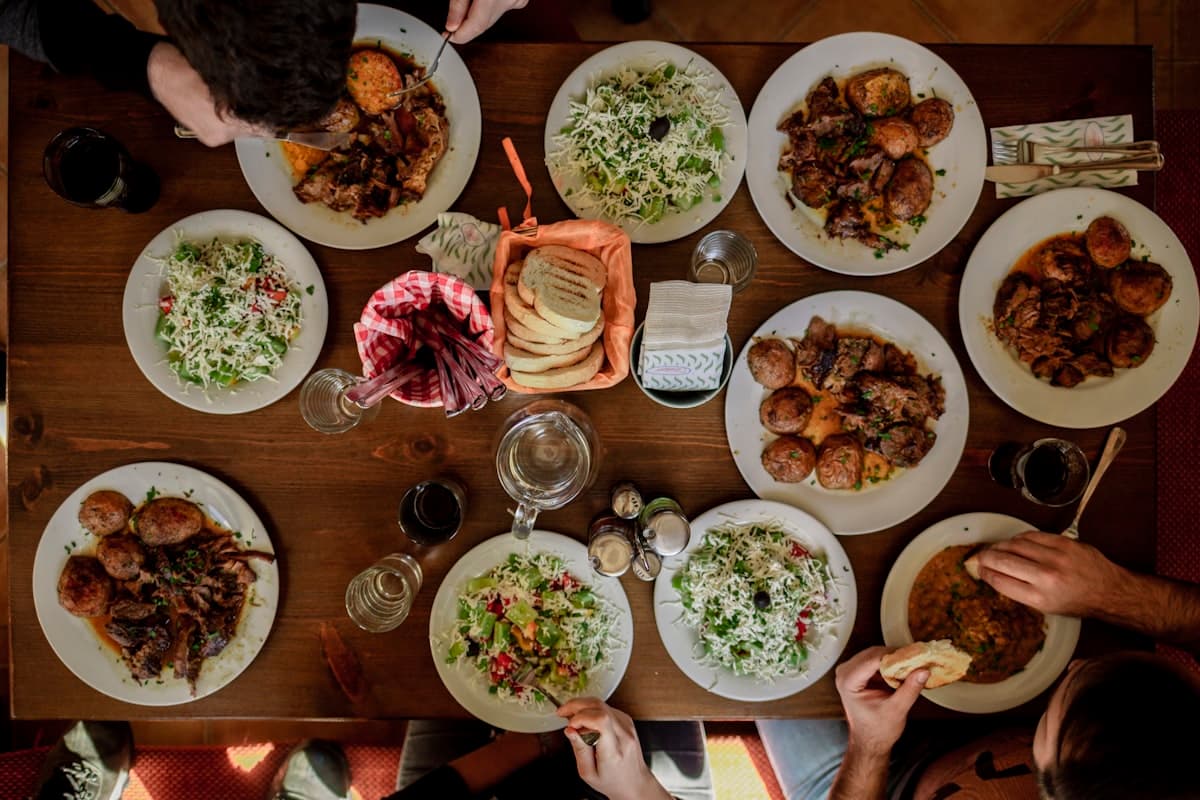
If the caterer has handled your last three office events and already knows the building, another message may be the easiest way to order. There is no reason to make a familiar arrangement more complicated.
Direct planning also matters for bespoke menus, tastings and events with complicated service requirements. A wedding across several rooms or a dinner with a precise serving schedule needs discussion. The quality of that discussion is part of what you are paying for.
A marketplace is particularly useful when you have not chosen a caterer yet. You want to compare several suitable options, establish a budget and book a defined package. Published information lets you do more of that work in your own time.
What we are building GatherPlate for
We want someone planning an event in Malaysia to be able to look at the menu, understand the price and choose the service before starting a sales conversation. Caterers should be able to publish a package once and receive orders with the basic details already filled in.
There will still be questions. The venue has no lift. The loading bay closes at five. You need to know whether the team can set up before registration opens. Those are useful conversations to have with a caterer. Asking for the price of the same standard package three times is work we can remove.
If you are arranging an event, browse the packages on GatherPlate with your guest count and venue in mind. Compare what is included, then check the available dates and total for the option you want. Our guide to booking catering online in Malaysia walks through the booking process.
Platform information checked on 13 September 2026 using the official pages linked above. This comparison is written by the GatherPlate team; it is not an independent ranking or a review based on test orders.